OnePlus 13 Review: Has OnePlus Finally Built a True Flagship Killer?
After spending three weeks with the OnePlus 13 as my daily driver across Mumbai, Pune, and a weekend trip to Goa, I can say this is the most complete phone OnePlus has ever produced. But does "most complete" mean it's worth your money? That answer is more nuanced than you'd expect.

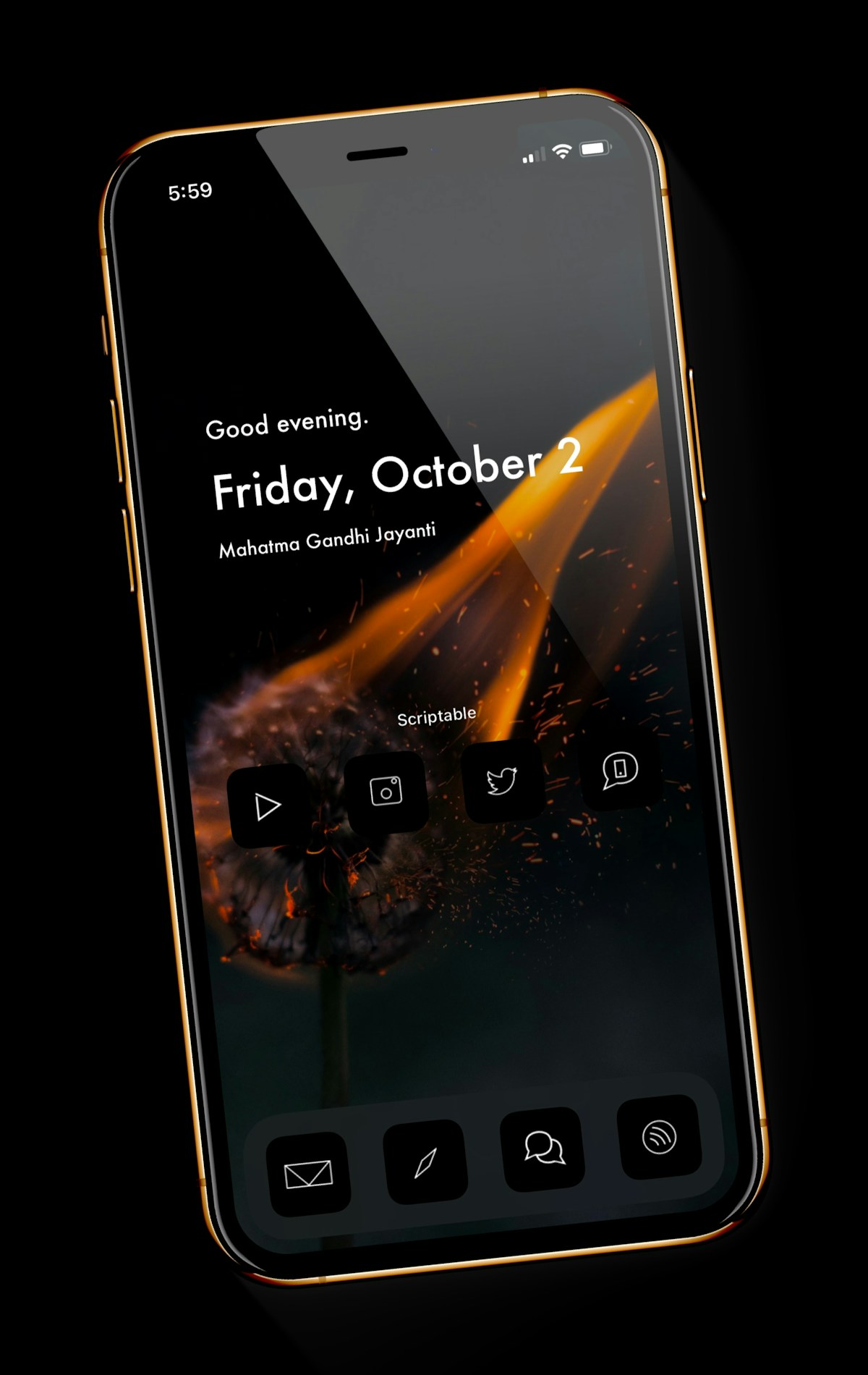
The OnePlus 13 in Midnight Ocean finish — the blue swirl pattern is genuinely stunning in person.
⚡ Quick Specs – OnePlus 13
Design & Build Quality
Picking up the OnePlus 13 for the first time, the weight feels immediately premium — it's a solid 210 grams that sits confidently in your palm without ever feeling plasticky or hollow. OnePlus has used Corning Gorilla Glass Victus 2 on both the front and back, and the aluminum frame machined with a matte finish ties it all together into a device that genuinely looks like it costs ₹1,20,000 rather than ₹69,999.
The Midnight Ocean colorway I tested is the one to get. The glass back catches light in ways that photographs simply cannot capture — a deep teal swirl that shifts between navy and ocean blue depending on the angle. It's understated enough for professional settings but distinctive enough to turn heads at a restaurant table. The Black Eclipse variant is more conservative but equally well-executed.
What I particularly appreciate is the IP65 rating for dust and water resistance — this is something Samsung and Apple have long offered at flagship prices but OnePlus has only recently committed to properly. I tested this in my kitchen and briefly during light Goa drizzle, and the phone handled both without flinching. The triple-camera module on the back is large but doesn't protrude excessively, and the Hasselblad branding has shifted from being a marketing badge to something that actually influences the camera software and tuning — more on that later.
Display
The 6.82-inch LTPO 4.0 AMOLED panel is one of the best displays I've used on any Android phone, period. It gets bright enough at 4500 nits peak to remain perfectly visible in direct Goa beach sunlight — something that honestly surprised me. The 120Hz refresh rate drops dynamically to 1Hz when needed, which is why the battery life story on this phone is so compelling.
Colors are accurate out of the box in the Vivid preset, though there's a Natural mode for those who prefer color-accurate rendering. I spent a week watching IPL highlights and a Netflix series on this display, and the HDR10+ support combined with Dolby Vision makes the experience genuinely cinematic. Text rendering is crisp and subpixel clarity is excellent — important for long reading sessions or using the phone for professional emails and documents.
The in-display fingerprint sensor is fast and reliable, unlocking in under 0.3 seconds in my testing with both dry and slightly damp fingers. Face unlock via the flood illuminator works well in most lighting conditions but does occasionally struggle in very bright outdoor situations — a minor complaint on an otherwise stellar display experience.
Performance
The Snapdragon 8 Elite paired with 12GB or 16GB of LPDDR5X RAM makes the OnePlus 13 the fastest Android phone I've tested in this price range. Antutu scores consistently hit 2.8–2.9 million, and Geekbench 6 single-core scores around 3,200 put it comfortably ahead of the Snapdragon 8 Gen 3 devices from last year. But numbers aren't everything — what matters is how that performance translates to actual daily use.
In practice, the OnePlus 13 handles anything you throw at it without hesitation. App launches are instant, multitasking across 15+ active apps is smooth, and OxygenOS 15's memory management keeps frequently-used apps ready in RAM reliably. I use Adobe Lightroom mobile heavily for photo editing on the go, and the jump in export speed compared to my previous Snapdragon 8 Gen 3 device is noticeable — roughly 25% faster for a 50-image batch export.
Thermal performance under sustained load is impressive thanks to the new vapor chamber cooling system. After 45 minutes of CPU-intensive benchmarking, the phone felt warm to the touch but never uncomfortably hot, and performance throttling was minimal. This thermal discipline is critical for long gaming sessions, which brings us to the next section.
Camera System
The triple camera system on the OnePlus 13 is the result of OnePlus's deepening partnership with Hasselblad, and the results in real-world use are genuinely impressive. The 50MP main camera uses a Sony LYT-808 sensor with a large 1/1.4-inch size, f/1.6 aperture, and optical image stabilization. The 50MP ultrawide covers a 120-degree field of view. And the 50MP periscope telephoto offers 3x optical zoom with up to 6x optical-quality zoom range.
Daylight photography is exceptional — details are sharp without the artificial over-sharpening that plagues some competitors, dynamic range is wide, and colors follow Hasselblad's natural signature that avoids the neon-saturated look some Indian consumers (and smartphone brands) incorrectly assume equals "better." Portraits show excellent subject separation with pleasing background blur and good edge detection around complex subjects like hair and clothing textures.
Low-light photography is where I had particularly high expectations, and the OnePlus 13 mostly delivers. Night shots with adequate ambient light are clean and detailed. In near-complete darkness, the AI-enhanced Night Mode produces usable images though noise control isn't quite at Google Pixel 9 levels. For most Indian users — shooting at family gatherings, restaurant dinners, and outdoor evening events — the night camera performance is more than adequate. Video quality at 4K 60fps is smooth and stabilized, with good detail retention. 4K HDR footage for YouTube-quality content looks professional.
Battery Life
The 6000mAh battery is genuinely large, and the LTPO display's ability to drop to 1Hz means battery life is exceptional. In my mixed usage pattern — two hours of social media, 45 minutes of navigation, half an hour of gaming, email throughout the day, and about 30 minutes of video streaming — I consistently ended the day with 30–40% remaining. Heavy users will get through a full day comfortably; lighter users can stretch to day and a half.
The 100W SUPERVOOC wired charging fills the 6000mAh battery from zero to full in approximately 36 minutes, which is remarkable for a battery this size. Wireless charging at 50W is the fastest in its class. Reverse wireless charging at 10W lets you top up earbuds or smartwatches in a pinch. The overall charging ecosystem story here is the best in the business at this price.
Gaming Performance
I tested the OnePlus 13 extensively with BGMI (Battlegrounds Mobile India), Genshin Impact, and Call of Duty Mobile. BGMI at Ultra settings with 90fps runs butter-smooth with no perceptible frame drops even during intense squad battles. Genshin Impact at the Highest graphics preset achieved a locked 60fps for the first 30 minutes before settling into a consistent 55–58fps range — excellent for such a demanding title. Call of Duty Mobile at Very High graphics ran at a consistent 120fps throughout.
The Game Space overlay is useful without being overwhelming — it provides frame rate monitoring, blocks notifications during gameplay, and allows you to apply performance profiles. The shoulder buttons on the frame work as gesture triggers in compatible games, though their usefulness varies by title. Thermal performance during long gaming sessions is controlled thanks to the vapor chamber, though the phone does get noticeably warm during extended 1-hour+ sessions of Genshin Impact. Dedicated gaming phones like the ASUS ROG Phone 9 still have an edge here, but for a general flagship, the OnePlus 13's gaming credentials are excellent.
✅ Pros
- Outstanding display — one of the best on Android
- Snapdragon 8 Elite delivers class-leading performance
- 100W wired charging fills 6000mAh in under 40 mins
- Hasselblad cameras produce natural, detailed photos
- IP65 dust and water resistance
- Excellent value at ₹69,999 vs comparably-specced flagships
- OxygenOS 15 remains among the cleanest Android skins
❌ Cons
- Low-light photography falls short of Pixel 9 and iPhone 16
- Gets warm during extended gaming sessions
- No expandable storage
- Satellite connectivity (found on some competitors) is absent
- Ultrawide camera underperforms in low light
Final Verdict
Highly Recommended for Indian Buyers
The OnePlus 13 is the phone I'd recommend to most Indians looking for a flagship experience without flagship pricing. It offers the Snapdragon 8 Elite chip you'd find in Samsung's S25 Ultra, a battery life story that genuinely impresses, a display that rivals anything in the market, and a charging system that puts most competitors to shame. The camera system is excellent for the vast majority of use cases, even if dedicated camera-focused buyers might prefer the Pixel 9 or Vivo X200 Pro.
At ₹69,999 for the base 12GB/256GB variant, the OnePlus 13 offers extraordinary value. If you're upgrading from a 2–3 year old phone, the jump in experience will feel significant. If you're deciding between this and the Samsung Galaxy S25 that costs ₹30,000–40,000 more for a broadly similar experience, the OnePlus 13 makes a compelling argument for itself. Highly recommended.
You Might Also Like